
Weapons
World of Nukes weapons guide: missiles, jets, warships and strikes — how each offensive tool works, how to unlock it and which targets it suits.
Introduction
Weapons are the offensive half of World of Nukes and the reason the game has an exchange at all: you do not just grow an island — you fire at other countries, and they fire back. The arsenal is organised around four tools that fill different jobs. Missiles are the core ranged weapon: you place them, choose a target and launch, learning range, travel time and damage as you go. Jets fly your own aircraft to send strikes from the air, which changes both coverage and timing. Warships project naval power along coasts and widen your effective strike zone. Strikes are the combined action — coordinating missiles, jets and warships into a single wave that saturates a tough target. One special missile deserves its own mention: Viper Missiles, a missile type also granted through the KABOOM reward. Because this wiki is built during the games first month, none of the tools come with published damage tables, so every weapon page explains role, unlock path and practical use instead of inventing numbers or posting fan-made rankings.
Offensive Toolbox Reference
| Tool | Role | How It Works |
|---|---|---|
| Missiles | Ranged core weapon | Place, pick a target and launch; learn range and damage |
| Jets | Air strikes | Fly your own aircraft to attack from the air |
| Warships | Naval power | Command ships to project force along coasts |
| Strikes | Coordinated waves | Combine missiles, jets and warships for saturation |
Arsenal Roster
Missiles
The reliable ranged core weapon
Jets
Air power from your own fighter aircraft
Warships
Naval power projected along coastlines
Viper Missiles
Free bonus weapon via the KABOOM code
Core Mechanics
The weapons mechanics in World of Nukes form a paper-rock-scissors loop built around range and timing. Missiles are the most versatile: they work from any position where you can place a launcher and select a target, and the travel time between launch and impact matters for both players and defenders — quick targets need agile launches, while heavily armed countries require heavier payloads. Jets shift the fight into the air, giving you forward coverage that ground missiles cannot reach and letting you open a window before enemy anti-air reacts. Warships are the naval answer, extending strikes along coastlines where jets and missiles run into coverage gaps. Strikes are the coordination skill: when you time missiles, jets and warships to arrive together, the wave can overwhelm even well-defended targets because defenses have to split attention. The one weapon type with a documented origin beyond the core trio is the Viper Missile, distributed through the KABOOM code — a reminder that some weapons enter your arsenal through rewards rather than construction.
Advantages
The strongest advantage of the weapons system is its layered redundancy: when one tool hits a coverage gap, another covers it. Missiles give you reliable ranged damage, jets extend reach into the air, warships lock down coasts, and strikes tie all three together so no single defensive layer beats your whole arsenal. A second advantage is the absence of a hard meta this early in the games life — because there is no settled community tier list, creative loadouts still work, and players who understand each tool by role can outmaneuver opponents who chase a patchwork of supposed best-weapons. The Viper Missile bonus from KABOOM is also a genuine early-game gift: five missiles practiced on a new island teach range, travel time and damage without spending precious early cash. Finally, because the weapons loop is timing-heavy, good coordination rewards attention — players who plaiattention to launch order, travel times and target selection gain a real edge over those who just spam attacks.
Challenges
The main weakness of the weapons layer is that almost all hard numbers are unverified. Damage values, missile ranges, warship durability and jet fuel or travel timers are not published, so every practical claim about which weapon beats which defense comes from play observation and can change with a balance patch. A second weakness is cost competition: every missile, jet or warship competes for cash that could otherwise grow your economy, and offence bought too early starves the income engine that pays for everything later. There is also asymmetry risk — investing heavily in one tool (say, only missiles) leaves you exposed to opponents who specialised in countering exactly that, because anti-air specifically intercepts incoming missiles and aircraft. Finally, coordination is hard: strikes require juggling three tools with different travel profiles, and beginners often burn their best weapons in uncoordinated waves that smart defenders simply shrug off.
Frequently Asked Questions
What is the best weapon in World of Nukes?+
How do I launch missiles?+
Which targets should I strike first?+
Quick Tips
Learn missile travel time on a nearby target before you fire across the map, because range, travel time and damage are the hidden knowledge of the whole weapons loop in World of Nukes. Practicing with the early missiles you have unlocked teaches all three at once, and it costs almost nothing, while a wasted long-range shot burns cash and weapons on nothing.
Do not buy every tool at once in World of Nukes. Build the economy first, add missiles as your first real offence, then grow into jets, warships and coordinated strikes only when your cash flow can comfortably carry them. Offence bought before income is stable starves the very engine that pays for it, which is how most players end up with an impressive arsenal and an empty bank.
Combine your arsenal whenever the target is defended, because a single missile rarely solves a layered defense. A timed wave of missiles, jets and warships forces the enemy to split coverage, and that saturation is exactly the point of a coordinated strike. Learn the launch orders and travel times, then practice the combo on medium targets before using it on a warship concentration.
Featured
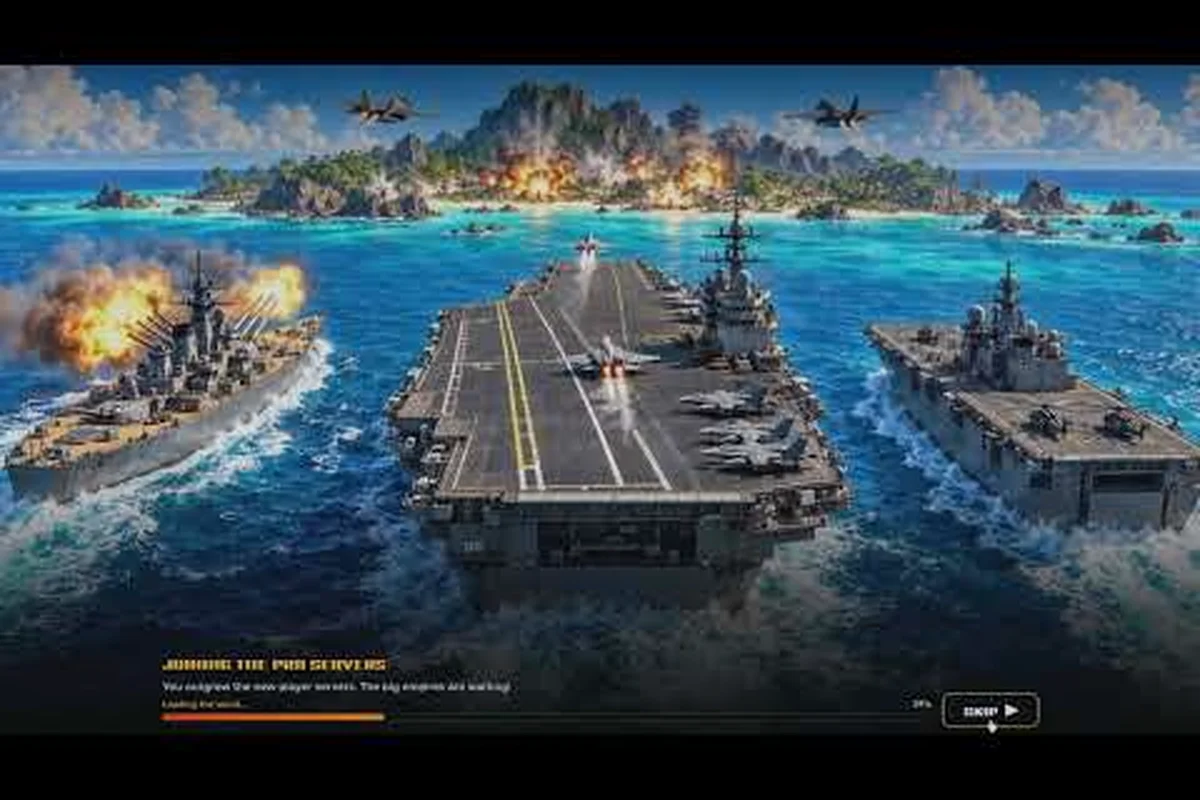
World of Nukes Air Strikes: Fly Jets and Bomb Targets
Take to the sky with World of Nukes air strikes: how jets launch, when to bomb versus fire missiles, and how to combine both into one coordinated attack run.
World of Nukes Best Attack Strategy: Pick Targets First
Win raids with the World of Nukes best attack strategy: rank targets, then match missiles, jets, or warships to each fight so no warhead hits empty ground.
World of Nukes How to Command Warships for Naval Strikes
Learn how to command warships in World of Nukes, from launching naval strikes to pairing your fleet with jets so no coastal target slips past your navy.
All Articles
World of Nukes Missile Upgrades: Unlock Stronger Warheads
Discover how World of Nukes missile upgrades work, which unlocks raise range and damage on impact, and how to spend cash so each new launcher out-hits the last.
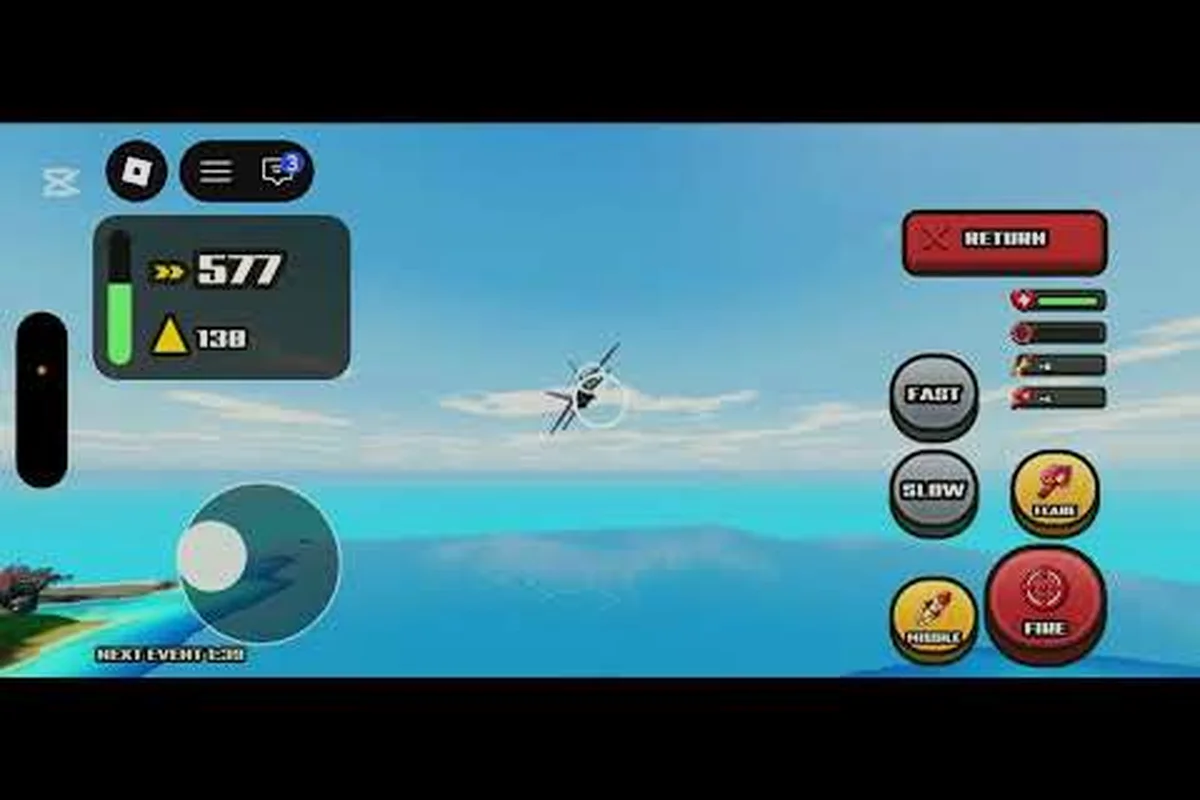
World of Nukes Viper Missiles: Five Free Warheads to Fire
Claim five free World of Nukes Viper missiles with the KABOOM code, compare warhead types, and pick targets that make every strike land hard.
World of Nukes Weapons Guide: Missiles, Jets and Warships
Master the World of Nukes weapons guide: how missile launchers, flyable jets, and commandable warships each land strikes, and which to unlock first.
World of Nukes Strike Guide: Plan Jets, Ships and Missiles
Plan every World of Nukes strike with this guide to jets, warships, and missiles, matching each weapon to its target and upgrading your arsenal for bigger hits.